Galileo › The Starry Messenger
The moon, 1610
In March 1610 a short book printed at Venice showed the moon as nobody had seen it: a place with mountains and valleys. These are Galileo’s own pictures, from the first edition.
He had been looking at the moon through a telescope he made himself. Then, in January, he turned it on Jupiter, and saw three small stars beside it that turned out to be moons. The Starry Messenger was printed about two months after that first night, and reads like a man in a hurry.
The moon was supposed to be a perfect sphere, made of a different substance from the earth. Galileo saw a ragged line between light and dark, bright points standing out in the shadow, and small hollows whose dark side faced the sun, the way a valley does when the sun comes up behind the hill. The belief these pictures destroyed lay underneath the one about the earth: that the heavens are a different order of thing from the ground.
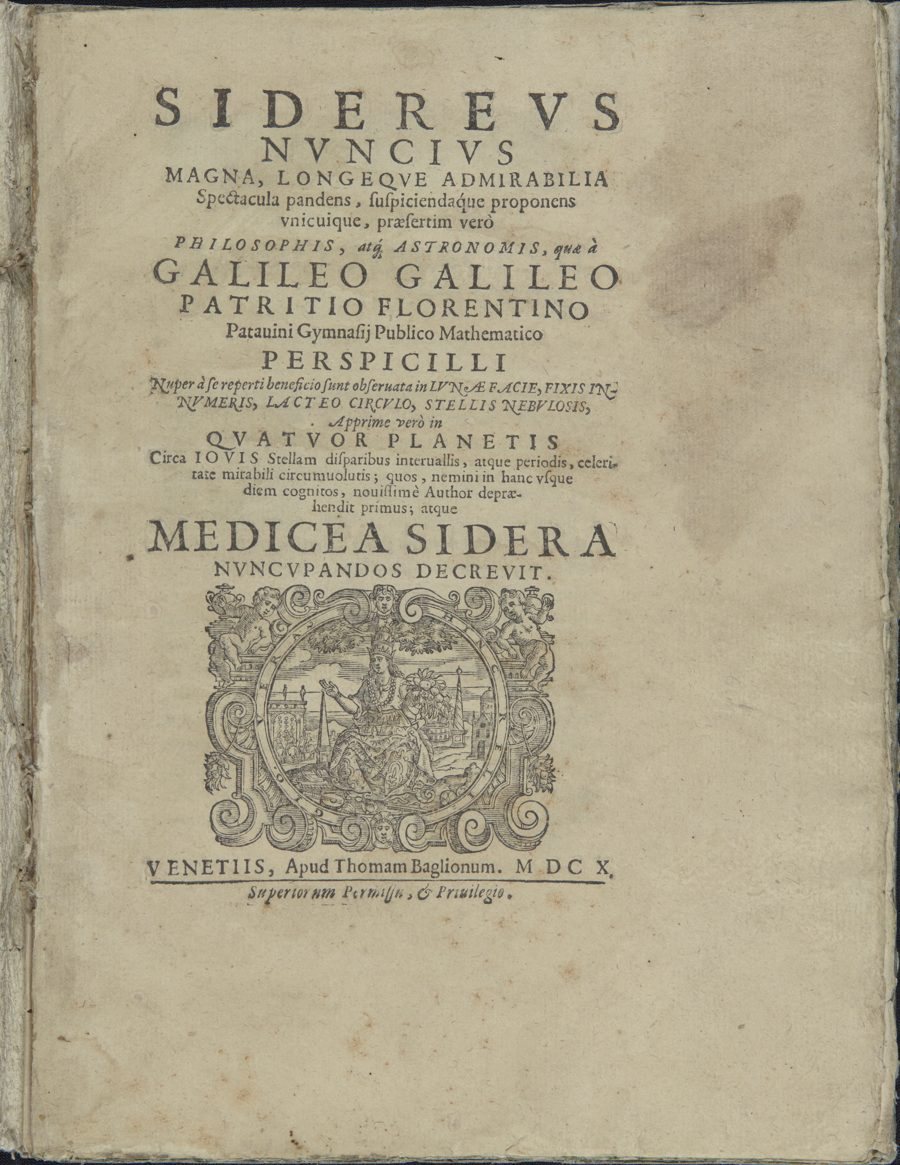
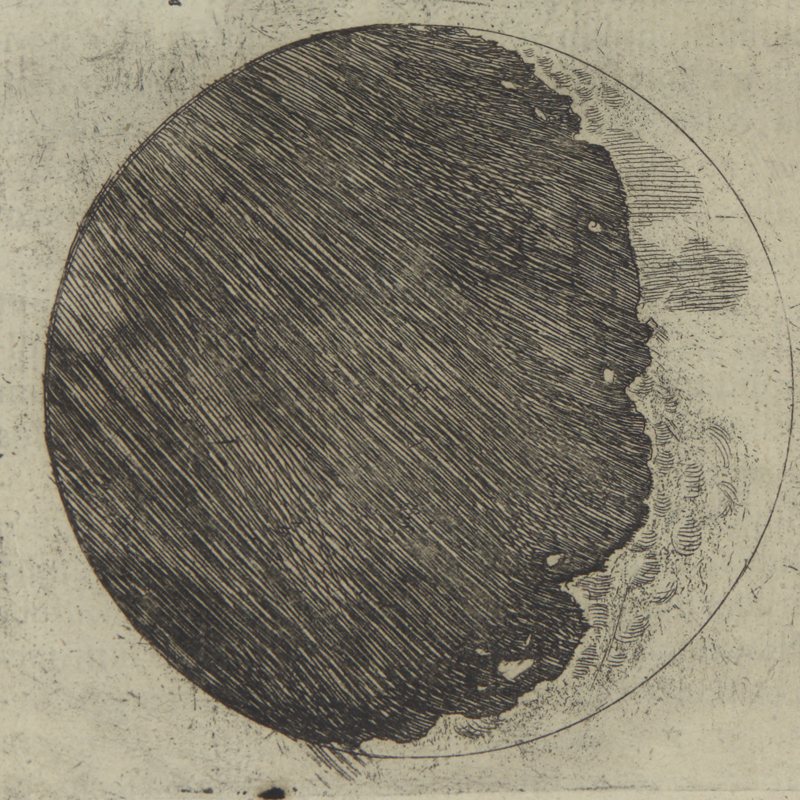
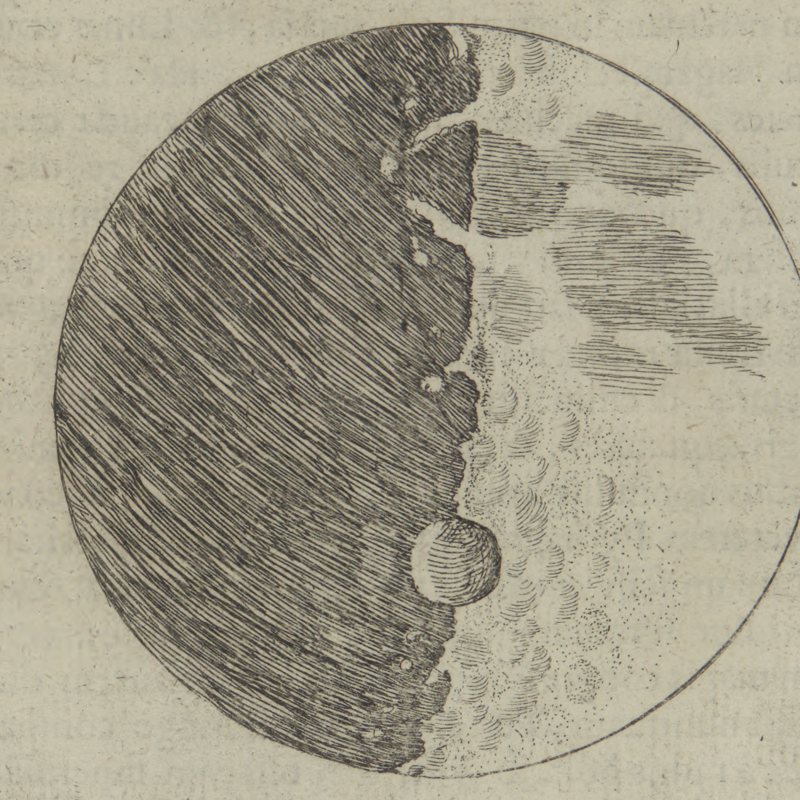
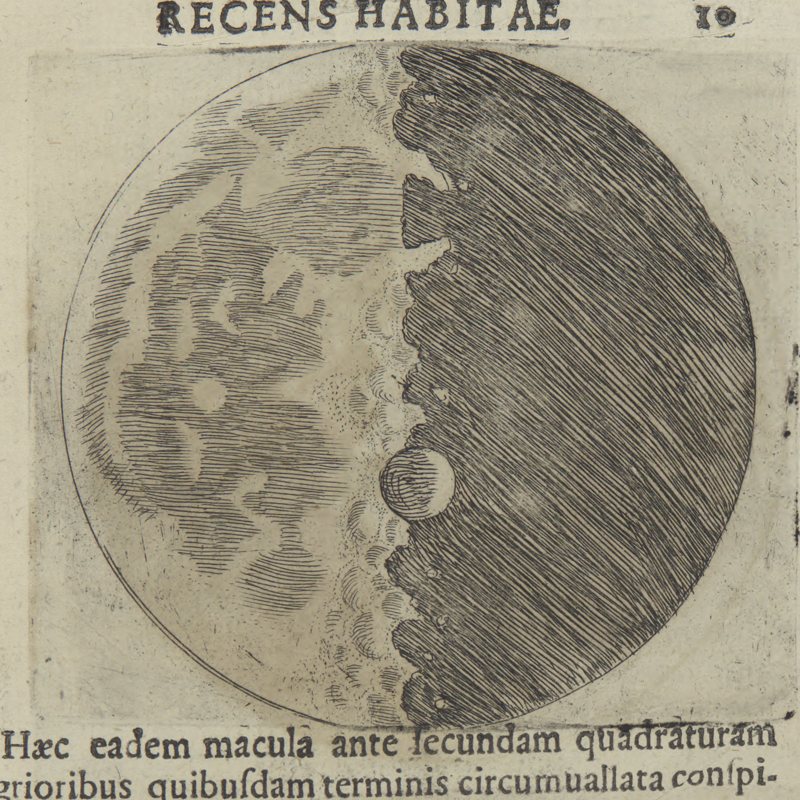
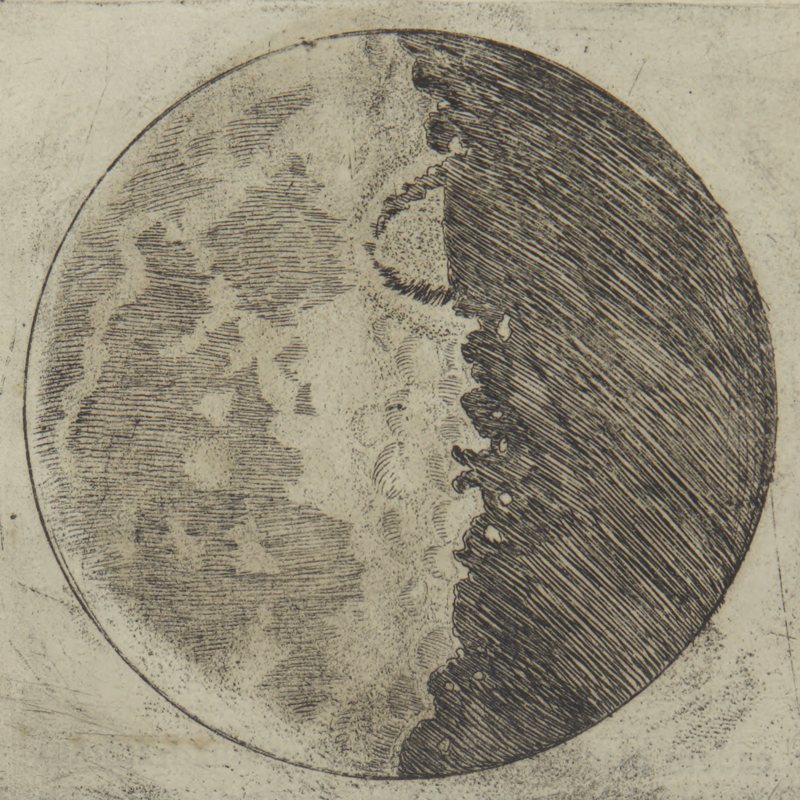
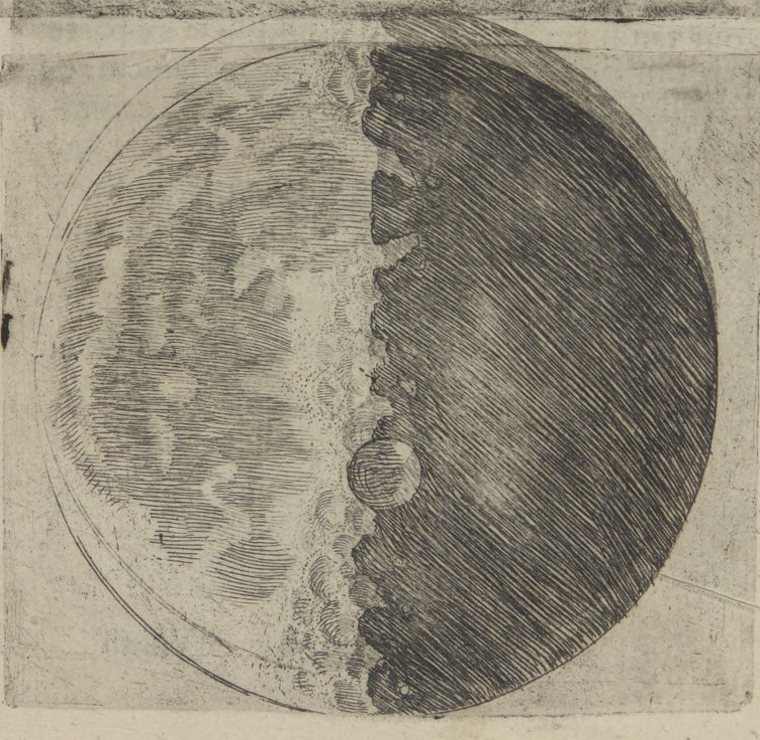
Images: Sidereus nuncius (Venice, 1610), Rare Book and Special Collections Division, Library of Congress. See the whole book there, or read it in English at Project Gutenberg.
More questions
- Was Galileo tortured?
- Did Galileo really say “and yet it moves”?
- Did the Church refuse to look through Galileo’s telescope?
- Did Galileo prove that the earth moves?
- Why was Galileo put on trial?
- Did Galileo drop weights from the Leaning Tower of Pisa?
- Was Galileo thrown into prison?
- The timeline, 1564–1992
- The reading room: original sources online
The trial file
A short piece, free: what the documents in Galileo’s own trial file actually say, including the two pages that decided it. It isn’t sold anywhere, and it’s the fastest way to see how these books are built.
One email when there’s a new book. Nothing else, and you can leave any time.